

|
The Spirit of SJ60: Celebrating Singapore-Japan Relations Special Feature |
Interview With Yanagihara Naoyuki
Japanese Cuisine Goodwill Ambassador and President of Yanagihara Cooking School
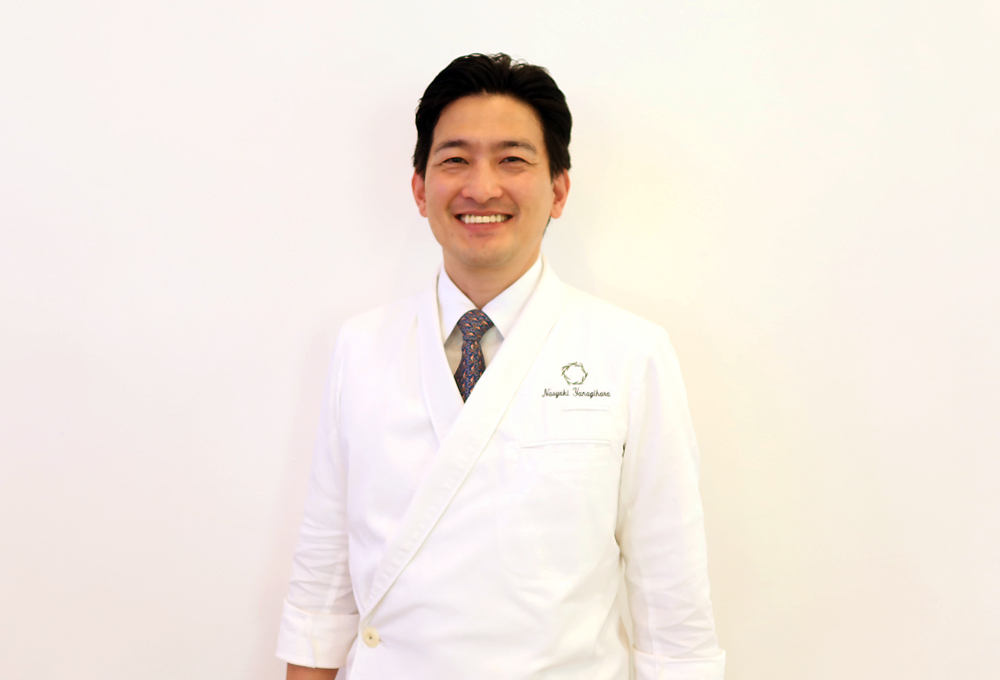
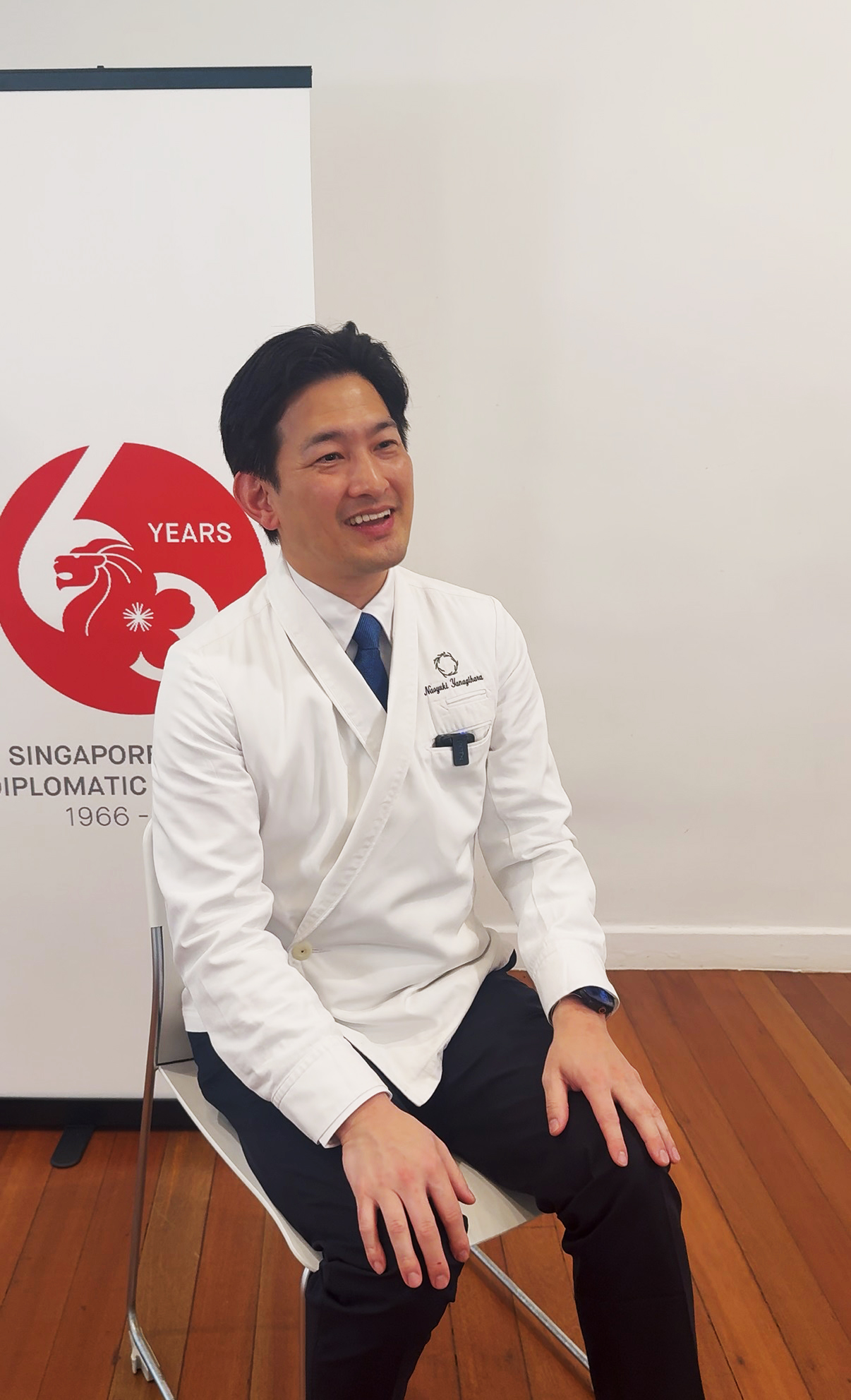
Dr Yanagihara Naoyuki is the Executive Chef of Yanagihara Cooking School of Traditional Japanese Cuisine, located in Akasaka, Tokyo. He was born into a family specialising in the Kinsaryu (近茶流) culinary discipline. Kinsaryu, a cuisine that specialises in the cooking technique of Edo (present-day Tokyo), has been passed on from generation to generation since the 1800's, during the Edo period. It is also closely associated with the tea ceremony. Kinsaryu techniques showcase the impeccable use of knives, the careful handling of seasonal ingredients, beautiful food arrangement, etiquette, and the philosophy of washoku (和食 / Japanese Cuisine). ·✶· Stepping into the International Stage ·✶· |
Dr Yanagihara holds a Doctor of Philosophy in the field of Fermentation Science and Technology from The Tokyo University of Agriculture and has worked as a researcher for Marukin Chuyu, a well-known soya sauce company on Shodo Island. His international venture began when he became part of the kitchen crew on the Dutch tall ship Swan fan Makkum, one of the largest Brigantines in the world. Since then, he has been involved in a variety of culinary events around the world, including the International Food Conference “Worlds of Flavour”, at the Culinary Institute of America, and the Kikkoman sponsored “Sushi Master” in Tel Aviv, Israel where he was part of the jury for Japanese cuisine. He has also worked with various ministries in Japan to promote traditional Japanese cuisine around the world. |
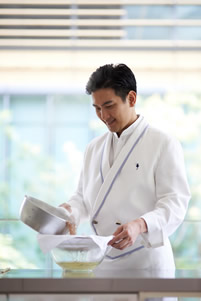 © Yanagihara Naoyuki |
·✶· World Cultural Ambassador of Japanese Cuisine ·✶· Dr Yanagihara’s work and expertise in promoting traditional Japanese cuisine led him to be chosen by Japan’s Agency of Cultural Affairs to be a world cultural ambassador of Japanese cuisine. In this role, he gave lectures on Japanese cuisine and culture at different schools throughout the world such as The Culinary Institute of America in Hyde Park, NY, and St. Helena, CA; George Brown College and La Cité college in Canada; the Higher Education Institute of Brasilia and the Anhembi Morumbi University of Sao Paolo, Brazil; and Auckland University of Technology in New Zealand among others. During the Expo Milano in 2015 which was themed “Feeding the Planet, Energy for Life”, he was one of nine chefs selected to represent Japan. In 2018, he was appointed as the “Japanese Cuisine Special Goodwill Ambassador” by the Ministry of Agriculture, Forestry, and Fisheries. ·✶· A Chef with Many Hats ·✶· |
|
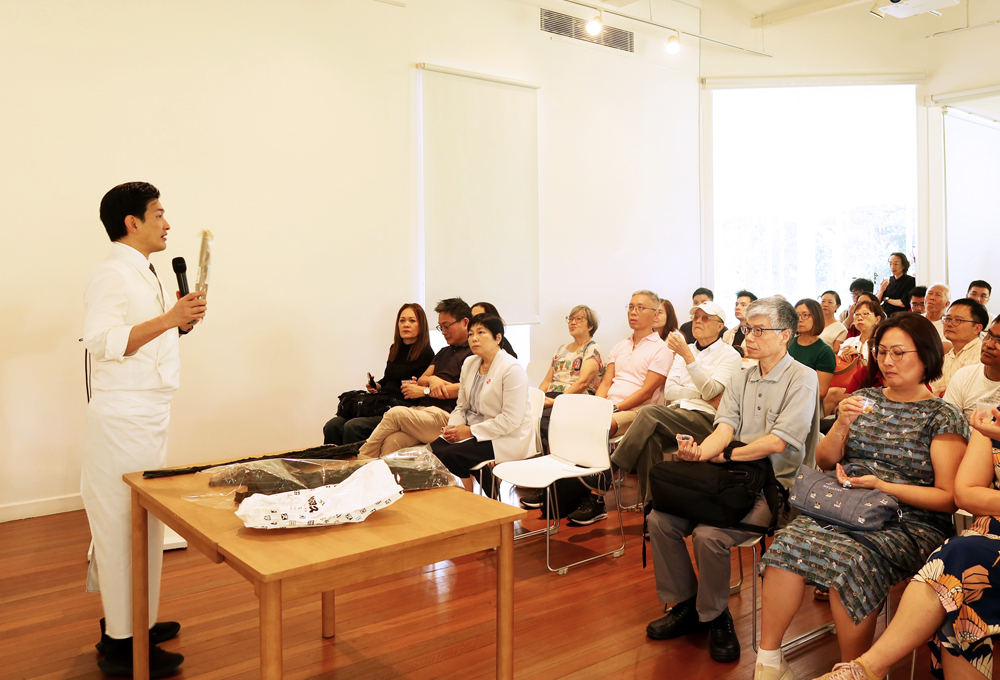
Dr Yanagihara enjoys sharing about the many facets of Japanese cuisine and is involved in various projects and activities. To date, he has written 16 books about traditional Japanese cuisine and Japanese food culture, and frequently contributes articles to Japanese print and online publications. He is also a cuisine consultant for several television programs in Japan and makes regular appearances on Japanese television and in other media. He continues to teach at the cooking school in Tokyo and works on a number of projects with his father, Mr Yanagihara Kazunari, the president and head of Kinsaryu, all while focusing on the education and promotion of traditional Japanese cuisine. Read on for JCC's interview with Dr Yanagihara Naoyuki about what inspired him to become a culinary expert and his philosophy on Japanese cuisine, especially on ingredients and cooking technique. You may also watch our video with Dr Yanagihara on our Facebook! |
|
Q: What inspired you to become a culinary expert?
|  Interview with JCC |
| Q: If you could only take one Japanese seasoning with you on a camping trip, which one would it be? | ||
|
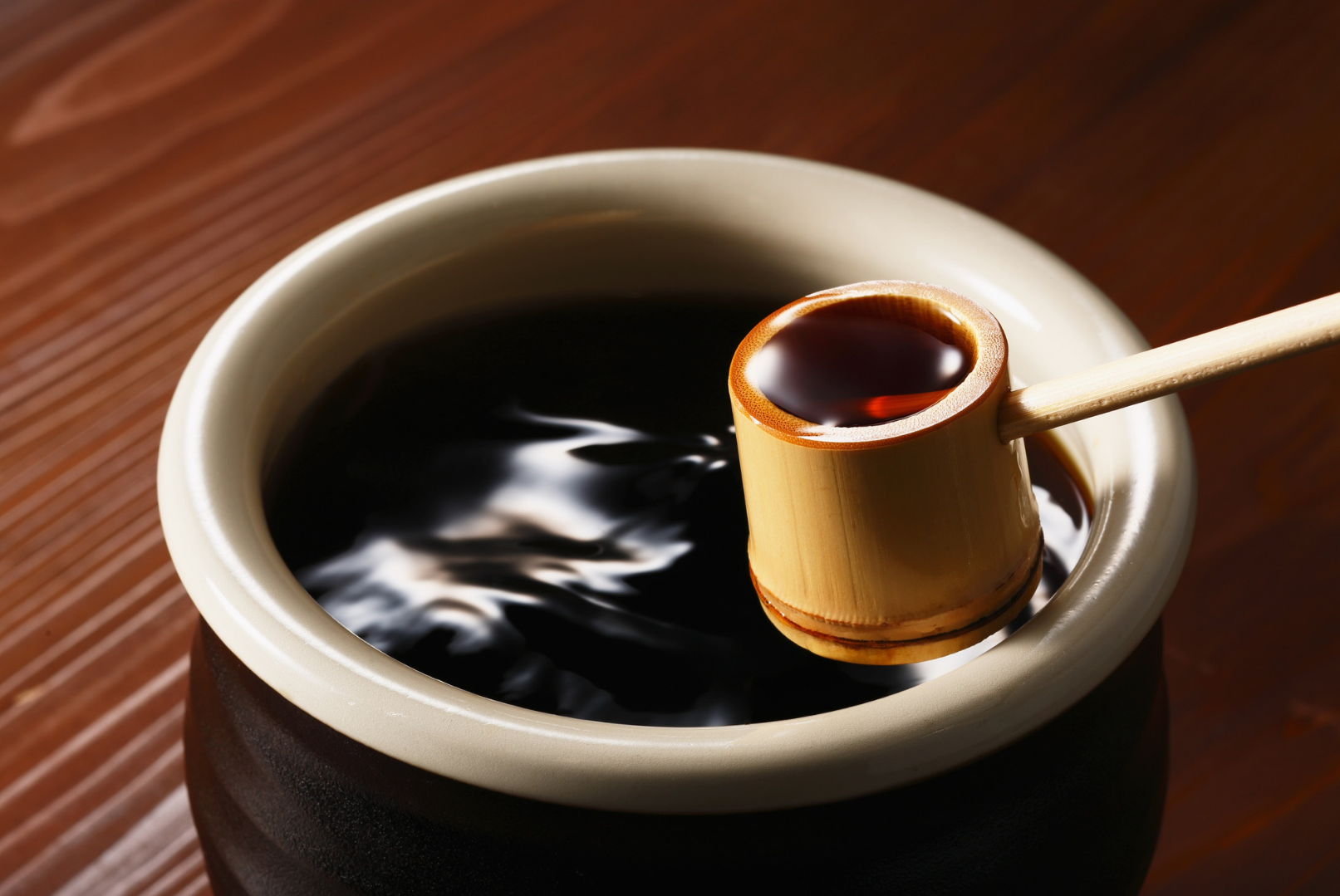
A: It really has to be soy sauce, right? I reckon you can make absolutely any dish as long as you’ve got soy sauce.
People often say that Japanese people will take soy sauce with them whenever they go abroad, and with just that, it already goes well with both meat and fish, doesn’t it?
If I were to take one more thing, it would be vinegar. I researched vinegar at university. Vinegar isn’t just about flavour and acidity; it helps balance the taste, and if you’re off camping or on a deserted island, drizzling vinegar over raw fish reduces the risk of food poisoning, so I’d definitely want to take vinegar with me. やはり醤油ですよね。醤油があれば、ほんとに何の料理でもできると思います。 よく日本人が海外に行くとき醤油を持っていくなんていいますけれど、それとおなじように、肉にも魚にもよく合いますよね。 もう一つ持っていくなら、お酢ですね。私が大学で研究したのはお酢。お酢は味や酸味だけではなくて、味を調えてくれたり、またはキャンプとか無人島とか行ったときにもお酢を生魚にかけると危険が少なくなるので、やはりお酢をもっていきたいですね。 |
|
| Q: If you could only eat one dish for the rest of your life, what would it be? | ||
A: I wonder... I’m the sort of person who could survive on rice alone, but apart from rice, my favourite dish is fugu (pufferfish). Fugu sashimi. It’s a poisonous fish, but within the realm of Japanese culinary techniques, fugu cuisine is the pinnacle. I hold a fugu licence myself. Whether I’m preparing it or eating it, fugu is what I find most delicious. So, I suppose fugu is what I’d want to eat before I die.
|
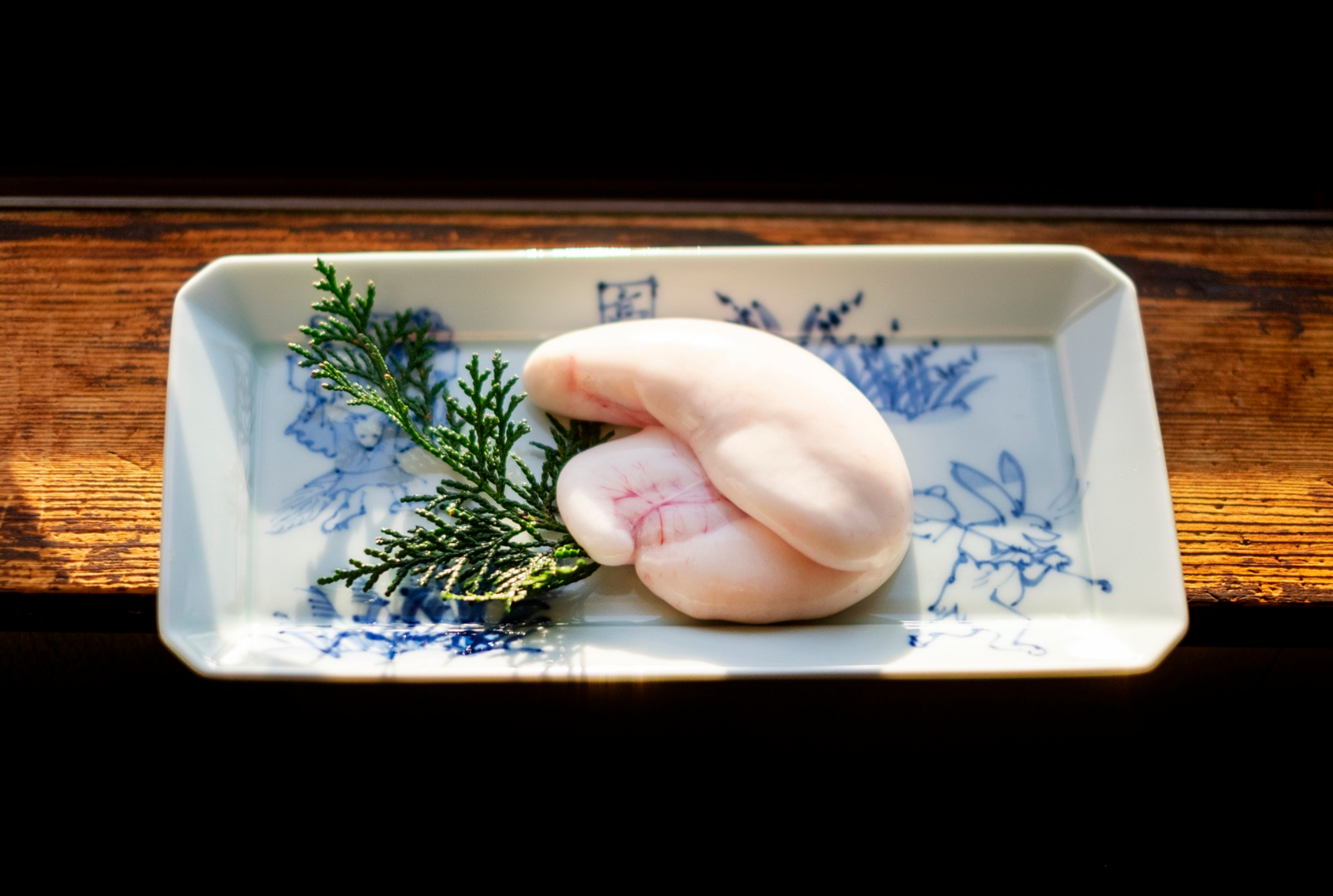 Tiger pufferfish milt © アフロ(Aflo)via Canva |
|
Q: When it comes to cooking, do you place importance on tradition, or do you sometimes incorporate modern techniques and adaptations? |
| Q: Is there a comfort food that you rely on at the end of a long day at work? | ||
|
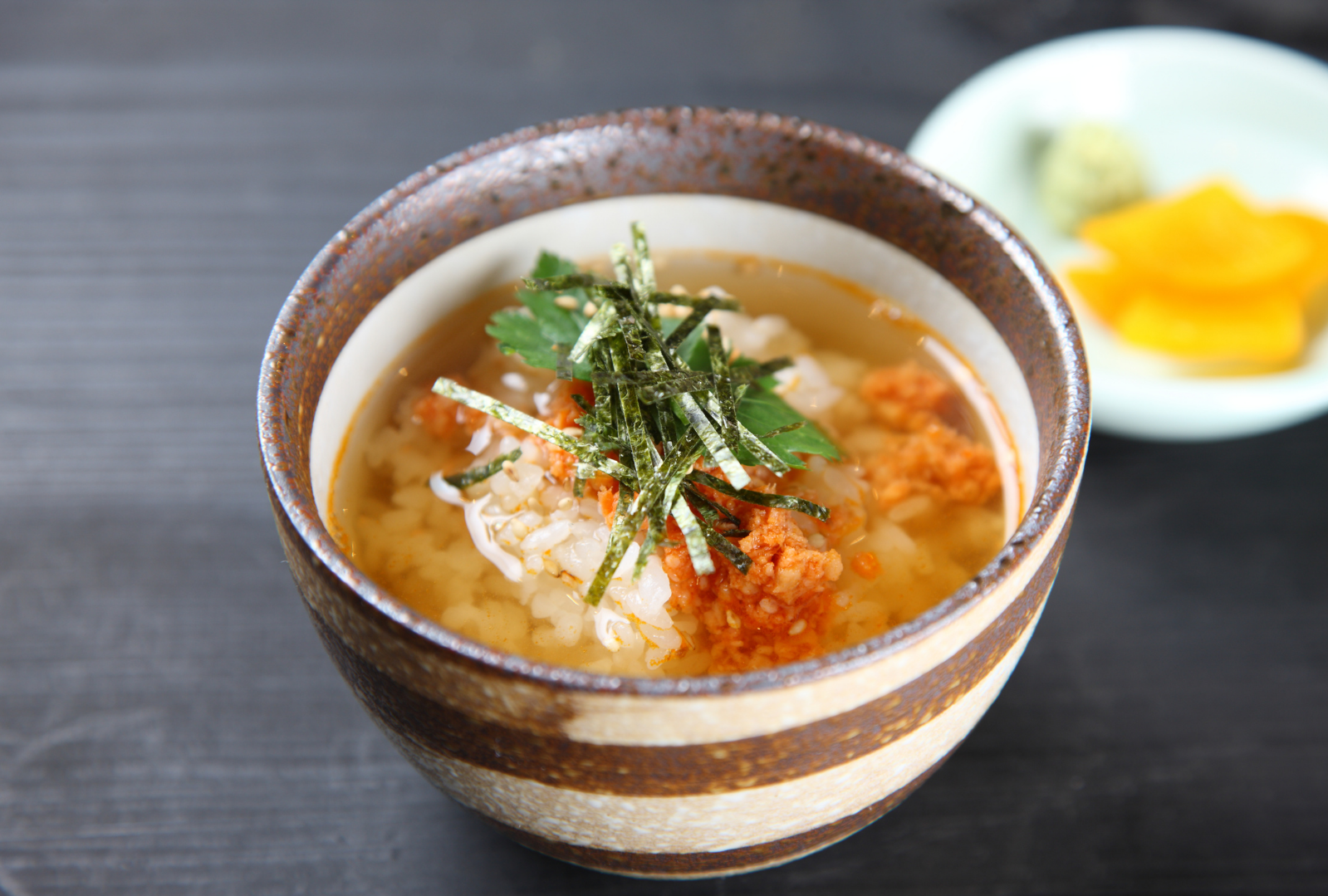
A: I suppose it is ochazuke, if you’re talking about comfort food.
There are so many different kinds of ochazuke, you know. As I run a cooking school, I often have fish on hand — sea bream, for instance. I slice the edges thinly, grind some sesame seeds to make a soy sauce dressing, and then pour a generous amount of strong sencha tea over it. It’s simply the height of bliss, isn’t it?
It doesn’t have to be top-quality sashimi either. That’s delicious too, and there’s also ‘magucha’ made from lean tuna. You can marinate the tuna in a mixture of soy sauce and a little mirin to make ‘zuke’, then top it with sesame seeds and nori, and pour tea over it, or you could pour hot dashi over it.
これはお茶漬けかな~。癒しと言えばね。 お茶漬けって、ほんとにいろんな種類があるんですよ。うちの料理教室やってますからおさかながあったりするでしょ、鯛など、端のほうでも薄く切って、ゴマをすって醤油のタレにして、厚い煎茶をサーっとかけると、それはもう至極の幸せ、ですもんね。 お刺身もいいところじゃなくていい。それもおいしいですし、赤身の「まぐちゃ」もある。マグロも、醤油に少しみりん入れた中に漬けて、「づけ」にしておいて、ゴマや海苔、そこにお茶をかけてもいいし、熱い出汁をかけてもいいですね。 |
|
|
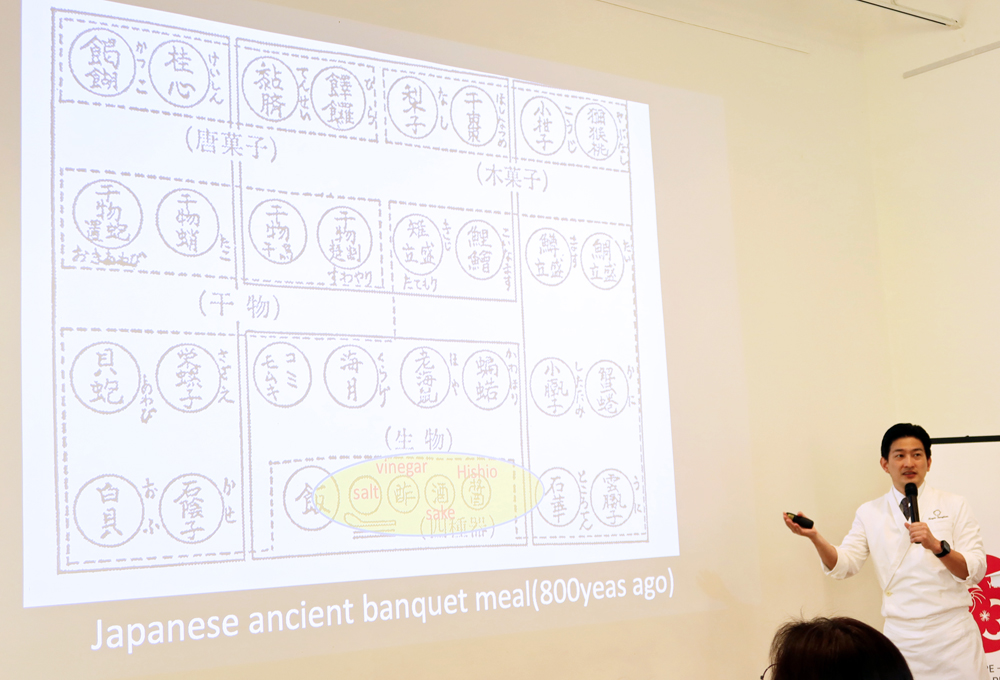
Q: Japanese cuisine is very popular in Singapore, and many people there are familiar with Japanese ingredients such as rice, matcha and soy sauce. What would you particularly like to convey to these Singaporeans to help them deepen their understanding of Japanese cuisine as part of Japanese culture? A: First, let’s look at the difference between Japanese cuisine and foreign cuisine. Japanese cuisine relies on water and fermented seasonings. Many foreign cuisines, on the other hand, rely on oil and spices. They use oil — such as butter or olive oil, or in Chinese cuisine, a generous amount of sesame oil — and add spices to that. In French cuisine, for instance, they use around 200 different spices. You could say that all these cuisines are essentially built on oil and flavour. Japanese cuisine relies on water and fermented seasonings. Water only reaches 100 degrees when boiled. When boiling ingredients, dashi is essential for adding flavour. The seasonings used to flavour the food are fermented seasonings: soy sauce, miso, mirin, sake and vinegar. These are all seasonings produced through microbial fermentation. There are many types of spices. But there are fewer types of fermented seasonings. Besides that, there is salt and sugar. Consequently, the ingredients become crucial. When the natural flavour of the ingredients, the fermented seasonings and the dashi are in perfect balance, that produces truly delicious cuisine. まずは日本料理と外国料理の違い。海外の多くの料理は油と香辛料。油はバターやオリーブオイル、中華だったらごま油をバーッと使う。そこに香辛料を使う。フレンチなら200種類のスパイスを使い分けていますね。
日本料理は水と醸造調味料。水は茹でても100度までしかいかないわけですよね。茹でて、そこに味を付けるのに出汁が重要。味を付けるのに使うのは、醸造調味料=醤油・味噌・みりん・酒・酢。すべて微生物の発酵によって作られる調味料なんです。
香辛料は種類がたくさんあります。
醸造調味料は種類が少なく、あとは塩と砂糖。そうすると、大切なのは食材。食材本来のおいしさと、醸造調味料と出汁、この3つのバランスが取れると本当においしい料理になっていくわけですね。
シンガポールの皆さんは本当におもしろい食文化を持っていますよね。いろんな地域の、東南アジアやアジアのいろんな要素が入っている。そこに油と香辛料がいろいろ入っている。それと日本料理との違いを感じてもらえたら面白いと思います。 本当に料理の組み立て方が違いますから。 |
Watch our Featured Video!
Resources: |
|
Japan Creative Centre 4 Nassim Road, Singapore 258372 +65 6737 0434 / jcc@sn.mofa.go.jp https://www.sg.emb-japan.go.jp/JCC/ Nearest parking at Orchard Hotel & Delphi Orchard |
 |